
Beautiful Plants For Your Interior
Beautiful Plants For Your Interior

Making jewelry from driftwood and shells is a rewarding way to bring natural beauty into your accessory collection. This guide will help you create unique pieces step by step, using easy-to-find materials. Whether you’re new to DIY or have some experience, you’ll gain confidence and fresh ideas to make stylish, one-of-a-kind jewelry.
Working with driftwood and shells means using natural, eco-friendly supplies. Here’s a simple table comparing common materials to help choose what fits your project best.
| Material | Advantages | Disadvantages | Best Use |
|---|---|---|---|
| Driftwood | Lightweight, rustic look, easy to shape | Can be brittle, requires sanding | Pendants, earrings, bracelets |
| Seashells | Varied colors & patterns, natural shine | Fragile, may have rough edges | Charms, decorative accents |
| Beading Wire | Strong, flexible, holds shape | Needs tools to cut/crimp | Necklaces, wire wrapping details |
| Jump Rings & Clasps | Secure closures, easy to attach | Small parts can be tricky to handle | Finishing pieces, connecting elements |
Preparation is key for durable, beautiful jewelry. Here’s how to get your materials ready.
Here are simple methods to help turn natural elements into stylish jewelry.
Try these simple projects to start making your own wearable art:
Understanding what can go wrong saves time and frustration. Here are five frequent errors when crafting driftwood and shell jewelry.
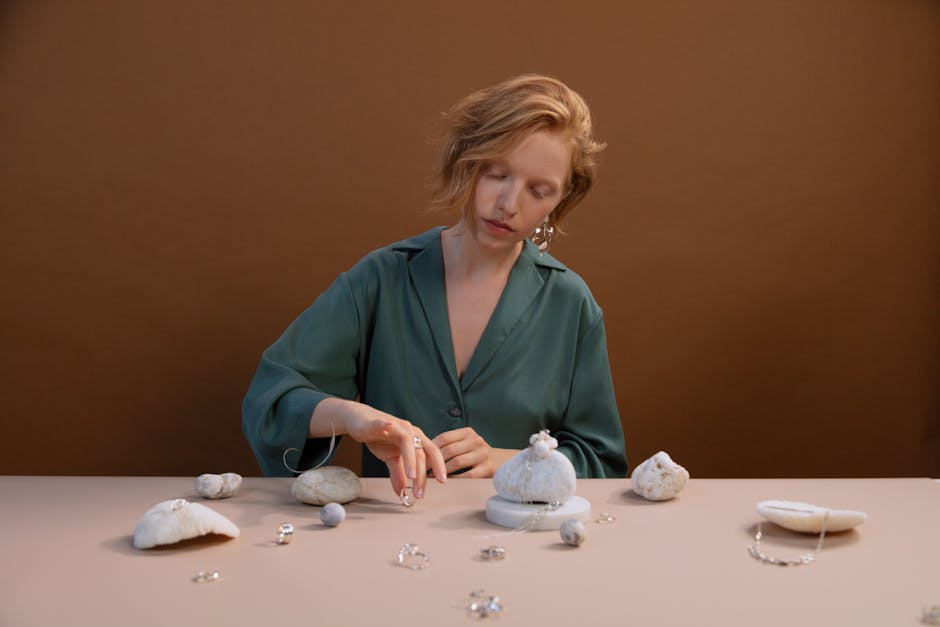
Skipping sanding might seem time-saving but leaves rough edges and splinters. Many avoid sanding because it’s dusty and time-consuming. The result is jewelry that’s uncomfortable to wear and can catch on clothing, making the piece look unfinished.
Rushing holes through shells or wood can cause cracks or breaks. This happens because natural materials are fragile. The cost is wasted materials and added frustration that slows your project.
Not sealing driftwood leaves it vulnerable to moisture, which weakens the piece over time. Many think sealing hides the natural look, but clear sealants maintain beauty while adding protection. Avoiding sealing can shorten the jewelry’s lifespan.
Thick wire looks sturdy but can overpower delicate pieces and be hard to work with. People choose thick wire for strength but lose flexibility and ease of design. Thin wire holds better and complements natural shapes more naturally.
Mismatched shells might not align or hang well. Many pick shells by random, attracted by color alone. Matching sizes and shapes ensure a balanced, professional look in earrings or pairs.
Your unique touch makes handmade jewelry special. Consider these tips:

“Always take time prepping your materials. It may seem slow, but a well-prepared base means your jewelry will look polished and last longer.”
Under the Hood: Lesser-known facts can improve your crafting:
Crafting jewelry from driftwood and shells is a simple and creative way to bring nature’s beauty to your style. With basic materials, clear preparation, and a little patience, you can create pieces that feel personal and meaningful. Don’t worry about perfection—your handmade jewelry tells your story.
Take one small step at a time, enjoy the process, and let your creativity shine.
