
Beautiful Plants For Your Interior
Beautiful Plants For Your Interior
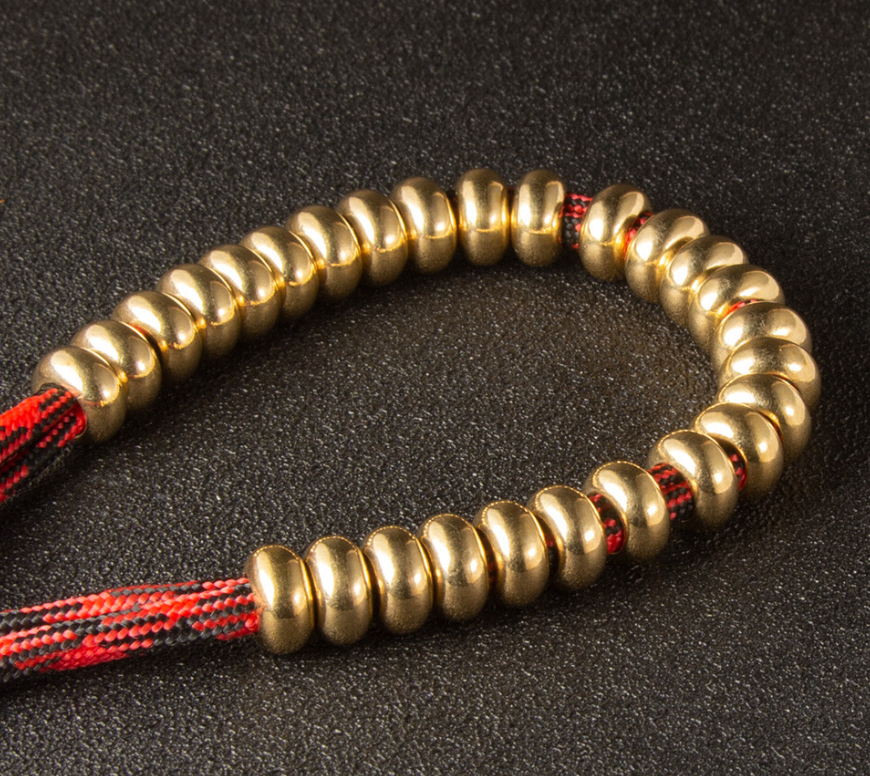
Every trail leaves a mark. Every summit holds a story. The best travelers don’t just collect memories—they wear them on their wrist. A simple paracord bracelet transforms into a wearable artifact when you integrate paracord beads, especially custom paracord beads, and materials found during your journey. These compact souvenirs combine functionality with personal meaning, turning your wrist into a gallery of adventures.
Paracord beads serve as the semantic anchor of your bracelet. They’re not just decoration—they’re punctuation marks in the story of your travels. A single bead can immortalize a specific place, mark a difficult achievement, or represent a personal milestone. Unlike universal charms, paracord beads are designed specifically for integration with cord: their inner hole diameter (typically 4mm) matches 550 paracord. This means they stay securely fastened during active use, don’t slide, and require no additional hardware.
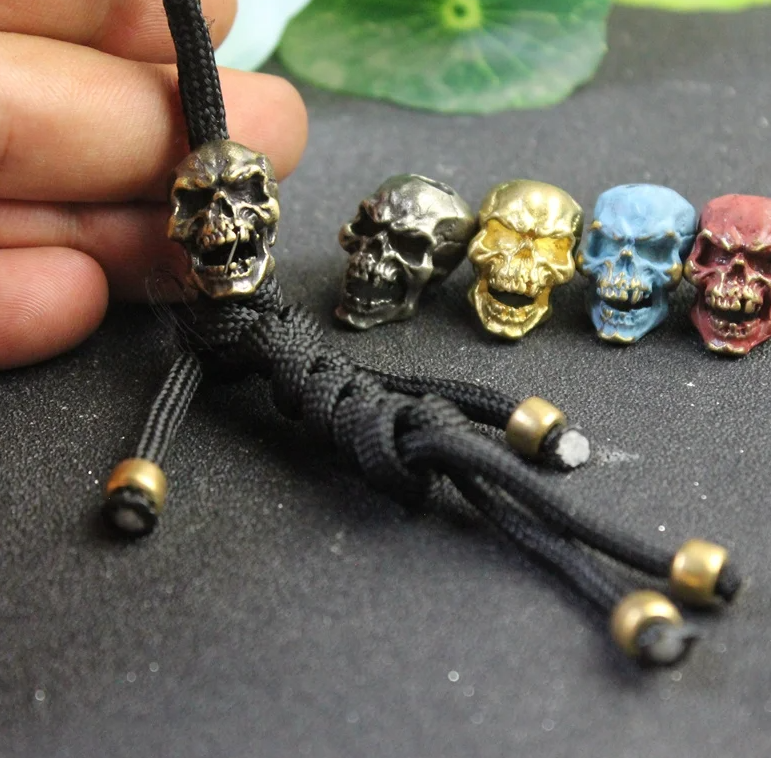
Bead material choice matters. Titanium beads weigh almost nothing but cost more. Stainless steel offers durability at moderate weight. Brass develops a patina that tells its own aging story. Polymer beads resist corrosion in salt water. Each material carries different trade-offs in weight, cost, and character development over time.
Not all beads survive wilderness conditions. Your selection criteria should prioritize three factors: hole compatibility, material resistance, and attachment reliability.
Paracord bracelets weren’t always a fashion statement. Military personnel in the 1970s wrapped paracord around wrists purely for practicality—instant access to 2.5-3.5 meters of cord with 250kg tensile strength for emergency repairs. No beads. No decoration. Just function.
The shift happened in the early 2000s when survival instructors began teaching paracord crafts as bushcraft skills. People started adding basic plastic beads from craft stores. These beads cracked in cold and melted near campfires. The aesthetics were there, but durability wasn’t.
A brief trend emerged around 2008-2010 using lampwork glass beads. Beautiful but impractical. One drop on rock shattered them. Weight also made bracelets uncomfortable during long hikes.
Modern paracord beads elegantly solve these problems. Purpose-designed metal and high-quality polymer beads offer military gear durability with handcrafted personalization. They’re engineered specifically for hole sizes, weight distribution, and wear patterns during active outdoor use.
Your bead selection should reflect both your journey and practical needs. Consider these categories:
Magic happens when manufactured beads meet natural finds. This combination creates texture contrast and narrative depth.
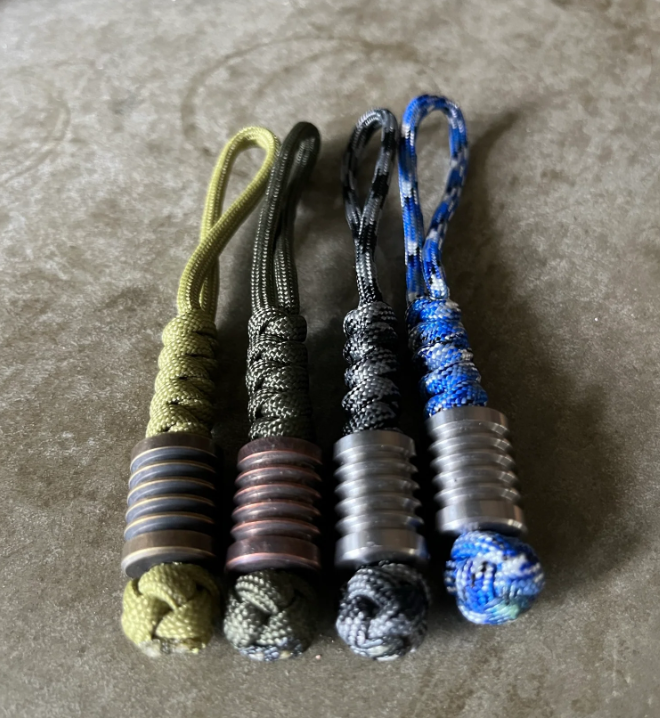
Cobra weave (also called Solomon bar) provides the most stable foundation for bead integration. It creates a flat, comfortable bracelet that won’t twist during wear.
Different materials have different Mohs hardness ratings. Metal (5-6.5) is significantly harder than glass (5.5) or shell (2.5-4). Direct contact during movement creates micro-abrasion. The softer material always loses. Use weave sections as buffers.
Each large metal bead adds 14-23 grams. Five beads create an 85-115 gram bracelet that generates momentum during movement (the pendulum effect). Limit yourself to 1-2 substantial metal beads per bracelet.
Wood is hygroscopic—it constantly exchanges moisture with its environment. Unsealed wood in a bracelet experiences dramatic humidity swings from sweat and air. Proper sealing with cyanoacrylate glue or marine epoxy is essential.
| Material | Weight (per bead) | Durability Rating | Weather Resistance | Best Use Case |
| Titanium | 3-6g | Excellent | Superior | Ultralight builds, salt water |
| Stainless Steel | 11-17g | Excellent | Very Good | General purpose, high-impact |
| Brass | 14-23g | Good | Good (patina) | Aesthetic focus, aging character |
| Copper | 14-20g | Good | Fair (oxidizes) | Warm tones, pairs with wood |
| Polymer | 1.5-3g | Very Good | Excellent | Lightweight, extreme temps |
Purists argue that adding beads compromises emergency cord access. In a true survival situation, fumbling with beads to unravel the cord could be problematic.
The practical middle ground: Design your bracelet with a quick-release mechanism (side-release buckle) and limit beads to 2-3 elements. This preserves 90% of the aesthetic value while maintaining reasonable emergency access.
This modification creates dedicated bead positions that won’t shift:
Each bracelet becomes a chapter. Paracord color represents season or region. Beads mark specific moments. Found materials ground memory in physical reality. The best travel souvenirs aren’t purchased—they’re built from the journey itself, one bead and one kilometer at a time.
